Five Backyard Laboratories: When Neighbors Build the Science Curriculum Themselves
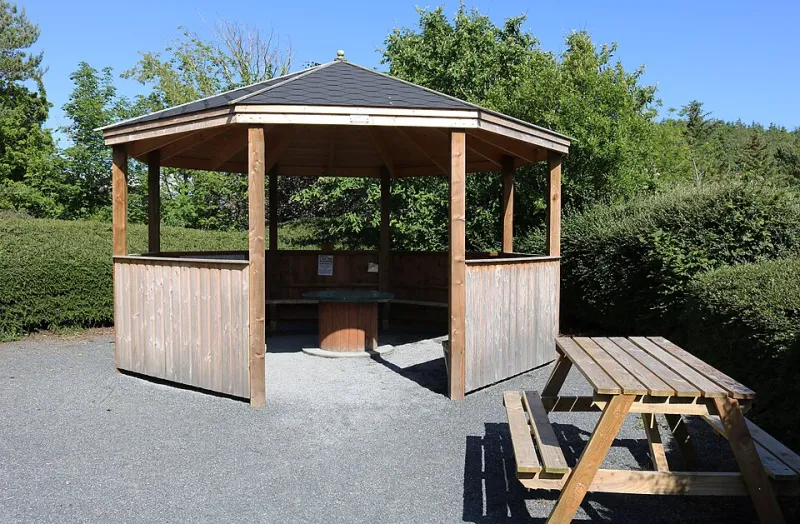
Photo: Billy McCrorie , CC BY-SA 2.0, via Wikimedia Commons
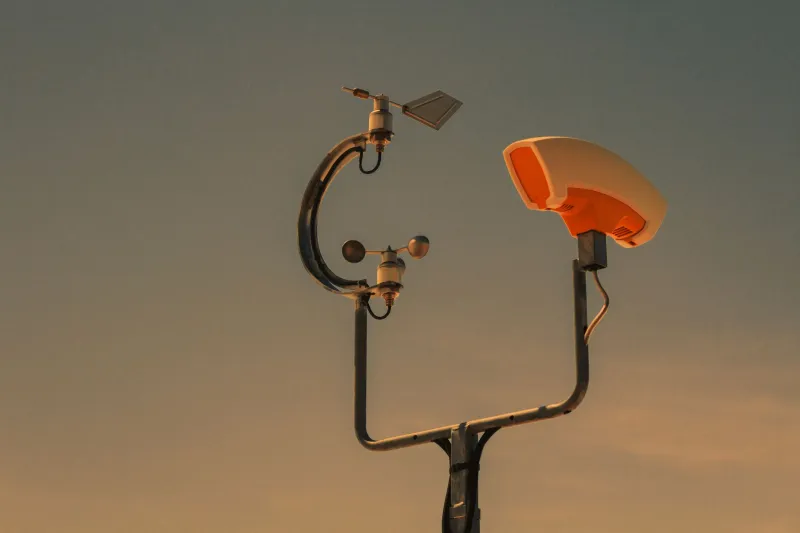
The rain gauge was the first clue. Installed beside a suburban playground in Ohio by a retired high school physics teacher and three volunteer parents, it was soon joined by a simple anemometer, a soil thermometer, and a chalkboard for recording daily readings. Within a semester, the neighborhood's elementary school was incorporating the data into its science units, and the playground had quietly become something else entirely: a field station.
This pattern is repeating across American communities, and it offers a case study in how informal learning environments actually form.
The Learning Science Behind Outdoor Labs
Research on situated cognition and outdoor education has long suggested that hands-on, place-based learning improves retention and engagement, particularly in elementary science. What community-built learning parks demonstrate is that the infrastructure for such learning does not require a bond referendum or a corporate STEM grant. It requires adults who know how to pour concrete, wire a solar panel, or write a grant application — and are willing to do so for free.
Cognitive scientists point to a second advantage: repetition in a familiar environment. A child who checks the same rain gauge every morning for two years is not merely learning meteorology. She is internalizing the scientific habit of sustained observation, something a single museum field trip cannot teach.
Five Projects Worth Studying
1. The Weather Station Playground (Ohio). Built for under $2,000 using donated lumber and salvaged instruments, this station now feeds data into a national citizen-science network. Its funding trick: the parent group asked the local hardware store for a discount in exchange for a small engraved plaque.
2. The Native Plant Maze (Texas). A retired botanist designed a winding garden where every species is labeled with QR codes linking to student-recorded audio guides. The master gardener association supplied the plants; the school district supplied the water hookup after eighteen months of negotiation.
3. The Open-Air Library (Vermont). A weatherproof kiosk of rotating books sits beside a grove of reading stumps. Volunteers built it during a single October weekend, using a barn-raising model in which each family contributed either labor or materials.
4. The Erosion Garden (California). After a hillside slide, neighbors terraced the slope with native grasses and installed measuring stakes, turning a hazard into a live geology lesson. The city eventually matched their effort with a small resilience grant.
5. The Sound Map Trail (Maine). Students and volunteers installed listening posts along a wooded path, cataloging seasonal birdsong. The project began as a scout's badge requirement and grew into a multi-year acoustic inventory.
The Common Obstacles
Every project in this informal survey hit the same three walls: liability concerns, zoning or permitting delays, and maintenance handoff — who owns the space once the builders move on. The most successful groups solved the last problem early, drafting simple stewardship agreements with schools, churches, or municipalities before breaking ground.
An Argument for Building
The deeper insight from these projects is pedagogical. When adults build learning spaces with children rather than for them, the construction itself becomes curriculum — measurement, budgeting, design, and compromise enacted in public. The playground that becomes a classroom does not need a formal ribbon-cutting. It needs a rain gauge, a chalkboard, and someone willing to check the weather.